
The evolution of automotive innovation in modern times



Electric vehicle revolution transforms transportation landscape

Battery-powered vehicles have become a cornerstone of sustainable mobility, combining electric driving range with rapid charging capability. Premium electric sedans now deliver sports-car performance while producing zero tailpipe emissions during operation.
Public charging infrastructure continues to expand across urban centers and highway corridors, helping reduce range anxiety for electric-vehicle drivers. Advanced battery management systems optimize power delivery and extend battery life through intelligent thermal management.
Connected vehicle technologies enable smart transportation
Vehicle-to-everything communication systems enhance road safety by enabling real-time data exchange between vehicles, roadside infrastructure, and traffic management systems. Advanced driver assistance systems use artificial intelligence to monitor road conditions and anticipate collision risks.
Integrated vehicle connectivity platforms support smartphone integration, over-the-air software updates, and predictive maintenance alerts. Navigation systems combine real-time traffic data with EV charging station availability to improve route planning.

Performance engineering advances vehicle capabilities


Aerodynamic design
Active aerodynamic systems automatically adjust to driving conditions, reducing aerodynamic drag while maintaining stability at high speeds. Wind tunnel testing validates computational fluid dynamics simulations used to refine vehicle body design.

Lightweight materials
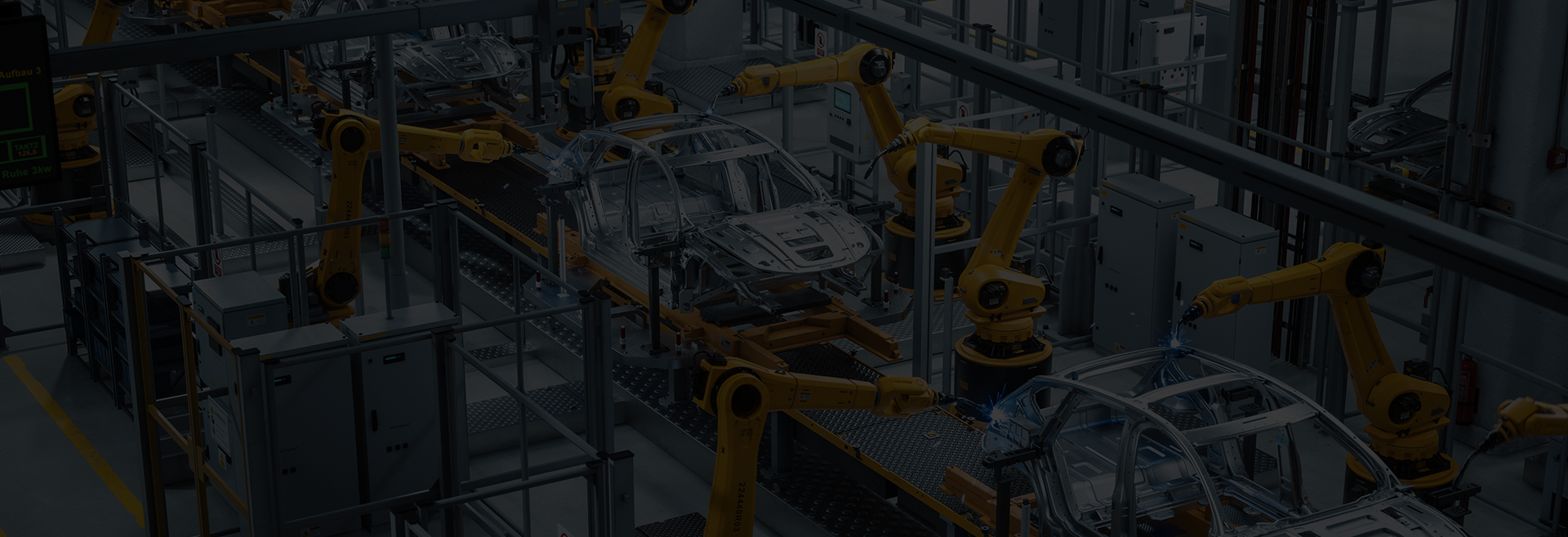
Carbon fiber composites and high-strength aluminum alloys reduce vehicle mass while maintaining structural integrity. Advanced automotive manufacturing processes enable complex component geometries with optimized weight distribution.
Powertrain innovation
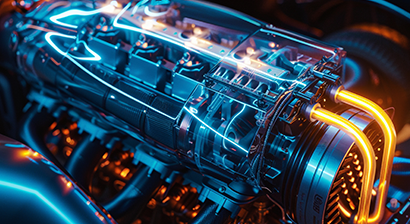
Hybrid powertrains combine electric motors with internal combustion engines to balance performance and efficiency. Regenerative braking systems capture and store kinetic energy during deceleration.
Advanced safety systems protect vehicle occupants

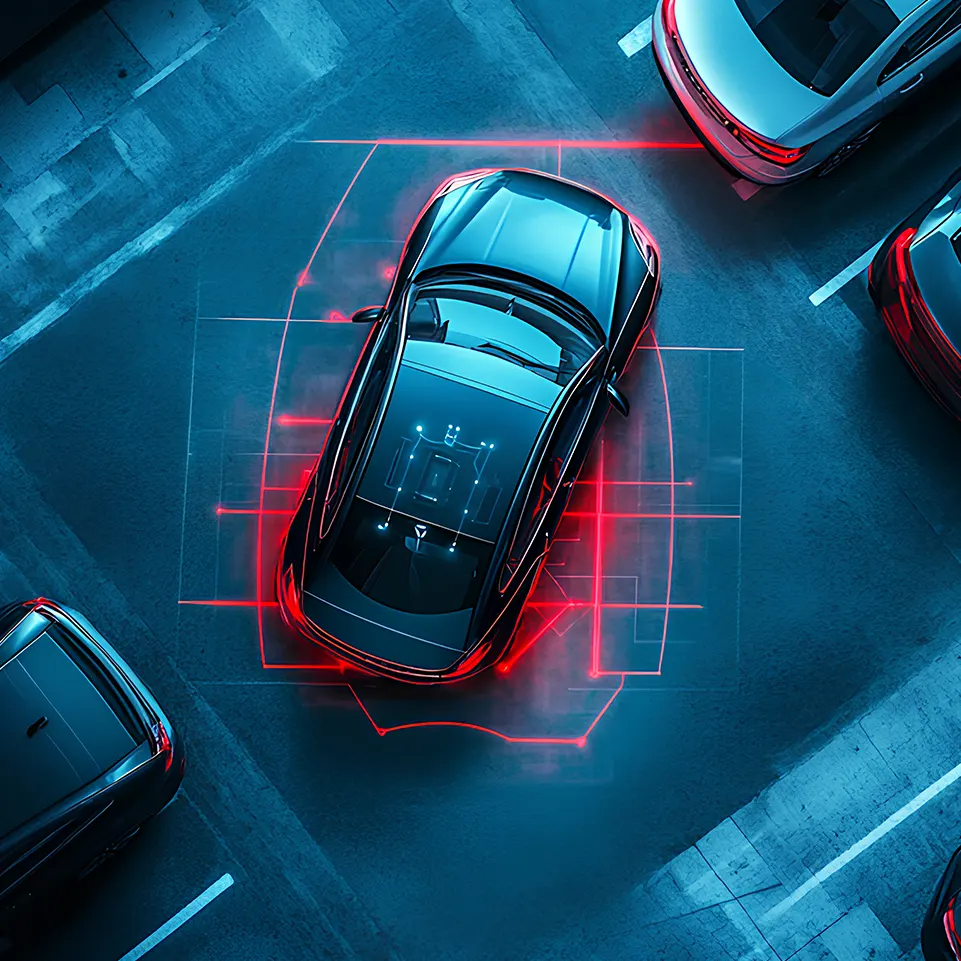
Collision avoidance technology enhances safety in car-sharing fleets, preventing accidents
Car-sharing and car-pooling are shared mobility solutions that have grown in popularity in recent years. Car-sharing allows several users to access a vehicle when needed, helping reduce private car ownership and the ecological footprint. This transportation model offers a practical alternative for people who do not need a full-time vehicle while supporting more efficient vehicle utilization.
Carpooling, on the other hand, involves a shared journey with others heading in the same direction. This practice can reduce shared transport costs, road congestion, and greenhouse gas emissions. These two modes of transport offered by HyreCar support responsible mobility by encouraging more efficient vehicle use, user-friendliness, and economies of scale.
Structural engineering maximizes crash protection
Crumple zones strategically absorb and dissipate impact energy while maintaining passenger compartment integrity. High-strength steel reinforcements protect critical areas during collision events.
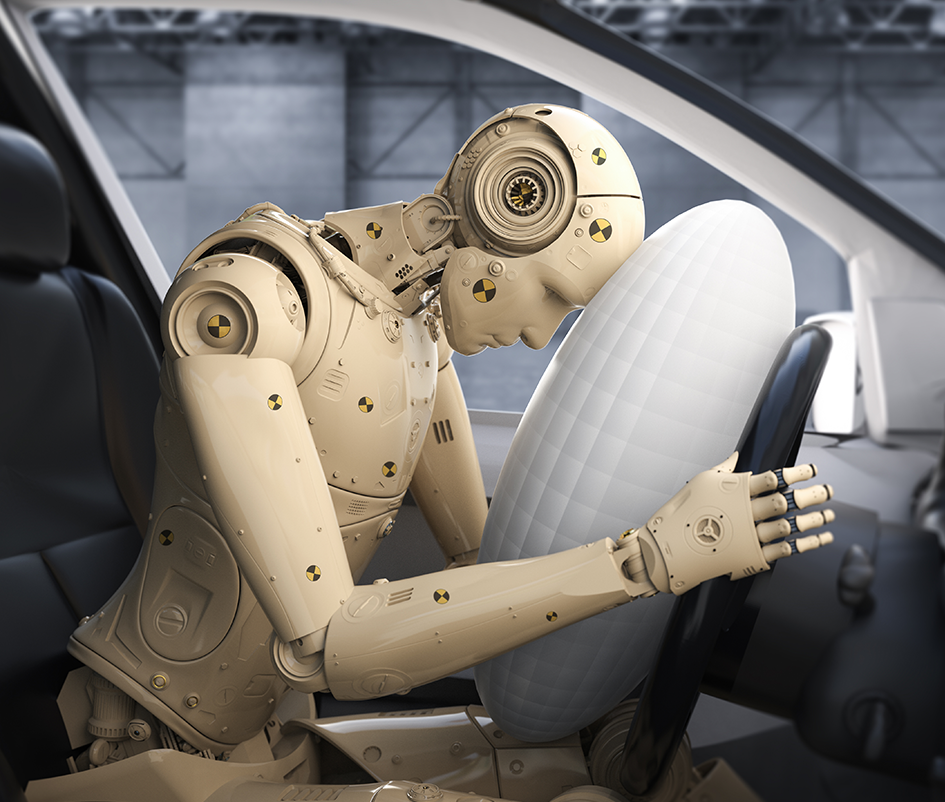
Multiple airbag systems provide omnidirectional protection during various impact scenarios. Advanced seatbelt pre-tensioners and load limiters optimize occupant restraint during sudden deceleration.